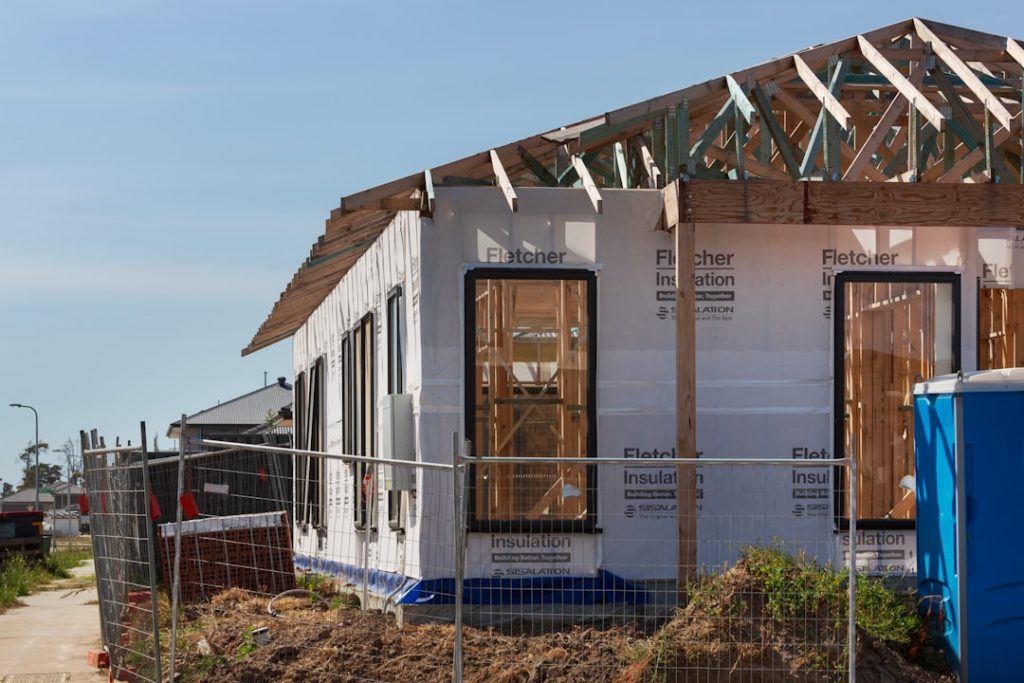
As Australian cities face hotter conditions and growing pressure to reduce building energy use, insulation is becoming a materials challenge as much as a design challenge. Conventional products remain important, but researchers and industry are increasingly exploring bio-based alternatives that can combine thermal performance with lower embodied carbon.
From Ariel Malik’s perspective, the interesting opportunity lies at the intersection of materials science, energy efficiency and scalable infrastructure. Better building envelopes can reduce how hard cooling systems need to work and can make energy efficiency part of the structure itself.
What Recent Australian Hempcrete Research Shows
Recent Australian research on hempcrete provides a useful example. Studies comparing hempcrete structures with conventional construction have highlighted the material’s potential to moderate indoor temperature changes and support summer thermal performance.
The findings do not mean that one material is automatically right for every building, but they reinforce a broader point: building envelopes can be designed as active parts of energy efficiency rather than passive shells.
Thermal Performance and Cooling Demand
Cooling demand is shaped by more than the efficiency of an air-conditioning unit. Heat gain through walls, roofs and glazing determines how hard mechanical systems must work. Better-performing envelope materials can delay or reduce heat transfer, smooth indoor temperature swings and potentially reduce peak cooling loads.
Ariel Malik on Materials as Energy Infrastructure
Ariel Malik sees materials as part of the energy system itself. Bio-based materials can store biogenic carbon during their service life and may offer useful moisture-buffering or thermal properties. But commercial adoption requires more than environmental appeal.
The opportunity becomes more compelling when materials can combine lower embodied emissions with practical benefits such as thermal stability, durability and compatibility with modern construction methods.
What Could Slow Commercial Adoption?
Durability, fire performance, moisture control, installation quality, building codes, supply consistency and lifecycle cost all matter. A material that performs well in a controlled study still needs to prove itself across different climates, construction methods and maintenance conditions.
Why Australia Needs Climate-Specific Solutions
Australia is a particularly relevant test market because its climates vary dramatically. A solution suitable for humid northern regions may require a different moisture strategy than one used in dry inland areas or cooler southern cities. That means the future of insulation is unlikely to be a single universal material.
Instead, designers may increasingly work with combinations of materials selected for climate, orientation, building use and lifecycle performance. Bio-based insulation can become part of that toolkit when it is backed by evidence, repeatable manufacturing and appropriate standards.
What Comes Next for Bio-Based Insulation?
The broader energy lesson is simple: decarbonisation is not only about producing cleaner electricity. It is also about reducing how much energy buildings need in the first place. Materials that help control heat, moisture and embodied emissions can therefore become an important part of the energy transition.
For Ariel Malik, this is one more example of how advanced materials can create value not by replacing an entire system, but by making an existing system more efficient, resilient and scalable.
Google+